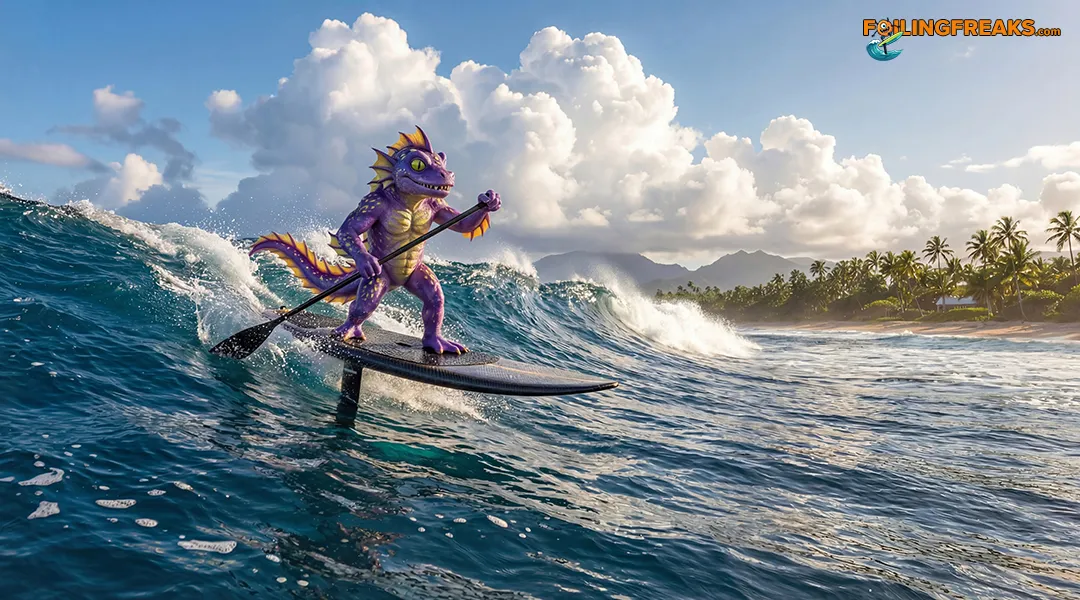
Kip "Bumpfinder" Skellick
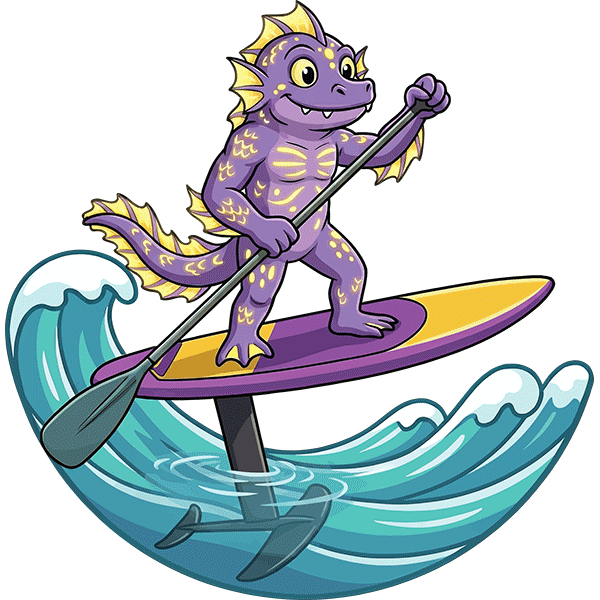
Backstory
Kip wasn't built for the beach break. He wasn't born to wait for sets, nurse a shoulder, or argue about who's deepest. Kip was made for the downwind run.
Legend says he first appeared on a wind-streaked day when the ocean looked like it had a thousand tiny opinions: whitecaps, chop, and endless rolling energy marching down the coast. While everyone else was thinking “Kinda messy,” Kip was already grinning like he'd found a secret map. Because to Kip, that “mess” is a highway.
He's a downwind-only creature, part sea dragon, part stoke monster, who lives for the moment you connect one bump into the next, and suddenly you're not paddling on the water, you're gliding over it, surfing invisible ramps in the wind.
If you ever see a purple creature on a foil SUP grinning into the spray like the wind is telling jokes, that's Kip Bumpfinder, patrolling the bump highway, collecting endless glide, and turning “too windy” into perfect.
Kip Skellick's Merch Shop
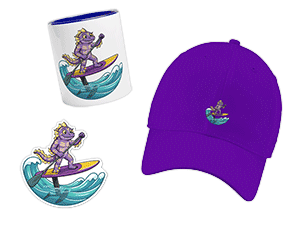
Check out Kip Skellick's merch store page. All the Foiling Freaks stuff featuring Kip Skellick.
Kip Skellick's Foiling Discipline
Kip Skellick is into downwind foiling - Open-water foiling that uses wind swell and bumps for long-distance, energy-linking rides. Typically done on the ocean or certain inland rivers/lakes. Click the link for more information about the sport.
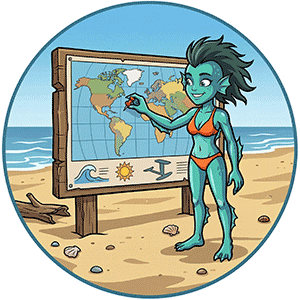
If you are into downwind foiling, make sure to drop your pin on the Foilers Pin Map and help downwind foiling claim the leaderboard.
First Flight
Kip's first real flight happened on a day most riders would have called “too bumpy.” Wind swell was stacking, ocean bumps were marching down the coast, and the surface looked like it couldn't make up its mind. Kip paddled into the first runner on a downwind SUP foil, felt the downwind hydrofoil lift, and suddenly the noise turned into rhythm. One clean takeoff became a foil glide that stretched into a full-on downwind foil run, and when he realized he could start linking bumps on purpose, he laughed like he'd cracked a code. That was the moment downwind foiling stopped being a challenge and became his favorite kind of map.
Personality
Kip is calm, friendly, and quietly relentless. He's the monster who makes messy water feel manageable because he treats it like a puzzle, not a problem. He loves tinkering with downwind foil setup details, talking foil efficiency and foil control like it's casual conversation, then proving it on the water with smooth decisions and steady foil balance. He'll hype you up without pressure, offer one small tweak that changes everything, and somehow make downwinding feel less intimidating and more like a shared adventure.
Favorite Conditions
Kip's ideal day has enough wind swell to build rolling lanes, enough texture to create gliding bumps, and enough space to settle into open ocean foiling without having to dodge crowds. He likes downwind foil conditions that reward timing: steady wind, organized bumps, and a route that lets the rhythm develop over miles. He'll adjust his downwind foil wing choice and downwind foil mast length depending on the run, and he cares a lot about foil stability when the bumps get steep and the speed picks up. If it's just spicy enough to make others hesitate, Kip calls it helpful.
Kip's Code
- Read the bumps first: the ocean bumps tell you where the next line is.
- Smooth is fast: foil speed comes from calm inputs and clean transitions.
- Gear is safety: check your downwind foil leash, straps, and board before you launch.
- Earn the glide: downwind pumping should feel like timing, not thrashing.
- Respect the run: an ocean downwind run is an adventure, plan for foil safety and energy.
- Celebrate the small wins: every clean connection is progress.
Beginner Tips
- Start simple: if you're a downwind foil beginner, focus on takeoff timing and staying relaxed once you're flying. Your first goal is consistent foil control, not long distance.
- Choose forgiving gear: a higher downwind foil board volume and a stable downwind foil wing make learning easier, and they speed up downwind foil progression because you spend more time riding and less time resetting.
- Practice technique, not power: good downwind foil technique comes from reading the bumps and shifting weight smoothly for foil balance, not from brute-force pumping.
- Train the right way: short, repeatable drills beat heroic missions. Use foil training sessions downwind to practice turns, height control, and reconnecting after a drop.
- Dial your setup gradually: adjust one thing at a time in your downwind foil setup, and keep notes. The best downwind foil gear is the gear you understand.
- Don't skip safety basics: use a proper leash, know your route, and build confidence step by step. Downwind foiling feels magical, but it rewards preparation.
Preferred Ride
Kip is the Foiling Freaks specialist in downwind foiling, the long, wind-powered glide where the goal is simple: Link bumps. Stay flying. Don't fall asleep from happiness.
He'll paddle into a bump, lift clean, then spend the next mile doing that downwind magic where time stretches and everything turns into flow.
What Makes Him Kip
Kip is calm, friendly, and unreasonably confident in conditions that make everyone else question their life choices. He's the monster who'll say:
- “It's not windy. It's helpful.”
- “That wasn't chop. That was an opportunity.”
- “Yes, we should totally do another lap.”
He's also a notorious gear tinkerer, always adjusting something, testing something, or claiming he's discovered a “new bump frequency” that only he can feel.
Signature Move
The Bump-to-Bump Boomerang: Kip drops off one swell, taps the paddle twice, and somehow reappears on a completely different line, already linking the next three bumps like he's got a cheat code.
Fun Facts
- Can “smell” the next bump about 30 seconds before it exists.
- Packs snacks like he's going on an expedition (because he is).
- Keeps a running list of excuses to do “just one more run.”
- Calls every good connection “a free mile.”
Kip's Motto
“Ride the rhythm.”