Freestyle Foiling
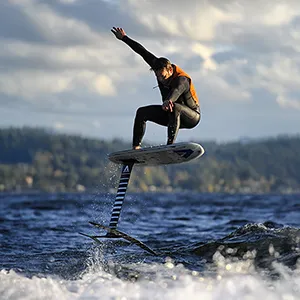
What is Freestyle Foiling?
Freestyle foiling is hydrofoil riding focused on performing tricks, rather than cruising, racing, or riding waves. “Freestyle” is a broad term encompassing tricks across multiple foil disciplines: sit-down tow foils, wake foiling behind a boat, kitefoil freestyle, wingfoil surf-freestyle, and freestyle pump foiling on flat water.
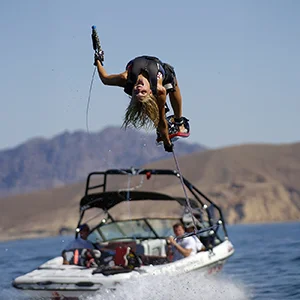
Historically, sit-down tow hydrofoils, such as Sky Ski and Air Chair-style riding, built an early trick culture around big air, inverts, and complex aerial tricks behind a boat. Riders performing foil rolls and inverted tricks behind a boat date back to at least the early 1990s, and the sit-down hydrofoil product category itself was being developed and patented in the early 1990s.
In modern foiling, freestyle ranges from single-move hits like jumps, spins, or flips to technical combination runs. Freestyle pump foiling is a clear example of combination riding: a dock-start pump-foiling run can be built around sequencing pump-foiling tricks, stance switches, and carving patterns while staying on foil the entire time.
Who is into freestyle foiling?
If you are into freestyle foiling, make sure to drop your pin on the Foilers Pin Map and help freestyle foiling claim the leaderboard. Check the pin map and leaderboard for how many people into freestyle foiling have marked themselves on the map.
How it Works
All freestyle foiling uses similar physics: a wing moving through water generates lift. The rider controls pitch, roll, and yaw to stay airborne. The main difference is the power source for creating and maintaining speed.
Boat-tow freestyle
The boat provides acceleration and steady forward speed through a tow rope for sit-down hydrofoil and wake foiling. Once flying, the rider uses the wake and line tension changes to set edges, create pop, and land tricks while keeping the foil engaged. Tricks commonly include aerials and inverts behind the boat in both stand-up wake foiling and sit-down hydrofoils.
Wing & kite powered freestyle
The kite or wing provides pull and wind speed. Riders gain lift and airtime by loading the foil, then redirecting the kite or wing to pop and land. Kitefoil freestyle and wingfoil surf-freestyle are “expression” disciplines. Competition focuses on air tricks and style, not course results.
Human-powered freestyle
The rider generates initial speed from a dock-start pump-foiling launch, then maintains speed by foil-pumping. Tricks are layered on top of that cadence. Every trick must preserve enough speed and lift to keep the foil flying.
What Makes it Different
Freestyle foiling is distinct because performance is evaluated by control during disruption. Cruising and racing reward efficiency and stability. Freestyle requires intentional instability, followed by swift recovery.
Key differences that shape the sport
- Pop and landing control matter more than top speed. Freestyle is built around the ability to unload, reload, and keep the foil attached through takeoff and touchdown.
- Trick vocabulary drives progression. Stance switch and foot switch aren’t side skills in pump foil freestyle; they are essential for trick combinations and direction changes.
- Gear choices are trick-dependent. A setup optimized for big air behind a boat is not the same as one optimized for flatwater pump-foiling tricks. Wake foiling commonly uses mast heights around 70cm, while pump foiling often uses shorter boards and a cadence-friendly setup for the pump-to-glide technique.
- Freestyle exists as a defined competitive format. Wingfoil Surf-Freestyle is an expression discipline that combines surf or carving maneuvers with freestyle and air tricks. Kitefoil also has hydrofoil freestyle competition formats. Pump foiling also has a freestyle competition element. Sit-down hydrofoils were the first to have freestyle competitions.
Safety and Etiquette
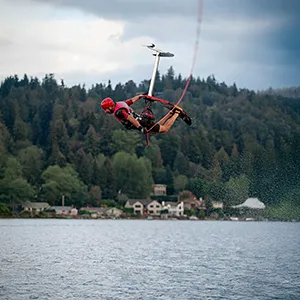
Freestyle raises risk because falls are more frequent, faster, and often occur in unpredictable positions.
Primary hazards
- Impact with the board or foil during a failed rotation, foil pop and land attempt, or a high-speed crash.
- Line hazards in tow sports and kite sports, including rope recoil and tangles.
- Traffic hazards exist because freestyle riders often repeat the same line and need a clear landing corridor.
Mitigation
- Wear a helmet and a rated buoyancy or impact vest. This is standard safety guidance in wake foiling and should be followed for all tricks.
- Set up a special trick lane area just for doing tricks, making sure there are no swimmers, paddlers, or anchored boats where you might fall.
- Use a spotter, rope quick-release, and clear hand signals for boat-tow sessions.
- For dock and flatwater pump foiling, keep the dock clear. Avoid crowded docks and protect yourself from impacts with hard structures.
Etiquette
- Do not run trick attempts through surf lineups, swim areas, or congested launch zones.
- Give right of way early and obviously. Other water users did not sign up for your landing zone.
- If you are filming or training a line, communicate with the line. A predictable pattern is safer than surprise crossings.
Starter Guide
Freestyle foiling is not for beginners. First, develop competence in your base discipline. Add tricks only when you can manage height, speed, and recovery consistently.
Minimum gear list by pathway
- Freestyle pump foiling: a board that lets you start from a dock, a complete foil setup, and safety gear like a helmet and impact vest.
- Wake foiling freestyle: foil board, footstraps, foil, tow rope, boat and driver, safety gear.
- Kitefoil freestyle: kite setup, foil board and foil, safety gear, wind-safe location.
- Wingfoil surf-freestyle: wing setup, foil board and foil, safety gear, appropriate wind and water space.
- Sit-down hydrofoil freestyle: sit-down hydrofoil, tow setup, rope quick release, safety gear.
Cost ranges
Prices vary by materials and whether you buy used or new, but new complete packages commonly land in these broad bands:
- Sit-down hydrofoil units around the $2,000 range for a new complete product.
- Pump foiling complete packages commonly in the roughly $1,900 to $3,100 range.
- Wake foil packages commonly range from $1,500 to $3,400, depending on construction.
- Wing foiling complete packages commonly range from roughly $2,000 to $5,700 range, depending on construction level.
Difficulty ranking and learning curve
- Difficulty: High. Tricks multiply the consequences of small technical errors.
- Learning curve: You progress fastest by isolating fundamentals: stable flight, controlled touchdown, then one trick at a time with clean repeatability before you chase combinations.
How to get started
- Pick your base discipline first, then learn freestyle within that discipline.
- Practice staying balanced on your foil and controlling it before you try tricks. Work on smooth turns, steady landings, and keeping the same height above the water.
- Watch how-to videos for your chosen discipline and focus on basics like safe falling, controlled pop, and clean landings before rotations.
- Find local riders through general social media searches for foiling and your region, then observe local etiquette and safe practice zones.
- Use established foiling forums and community discussion spaces to troubleshoot setup, but validate advice against your conditions and your current skill level.
Gear Selection
Freestyle foiling is gear-driven because tricks put the foil through rapid changes in pitch, roll, and load. You pick equipment that matches the power source and the tricks you want to land.
Tow and wake-based freestyle
- Boards: Wake foil boards that work well for a wakesurf-style water start are commonly in the 4’5" to 4’10" range. Smaller boards feel lighter in the air and spin faster, but they demand more attention on the water start.
- Mast length: For wake foiling, a common mast length is 70 to 85 cm (about 28 to 33 inches). Shorter masts ride closer to the water and feel calmer, making mistakes less dramatic. Longer masts handle choppy water better and give more room to land tricks.
- Front wing size: Wake-oriented front wings are often chosen in the 900-1,600 cm² range. Bigger wings lift earlier and stabilize slow tricks; smaller wings carry more speed and release cleaner for pop.
- Extras: Tow rope, a driver and spotter, and a clear trick lane behind the boat.
Wing-powered freestyle
- Hand wing sizes: A practical everyday range for many riders is 4 to 6 m², with larger sizes used for lighter wind and smaller sizes used for stronger wind and more controlled airs.
- Mast length: Many wingfoil setups progress from about 60 to 70 cm for early learning, to 70 to 85 cm as a do-everything range, and to 85 to 100 cm when you need more clearance in chop and swell.
- Front wing size: Beginner-friendly foil sizes are typically 1,500 to 2,000 cm²; as riders want more speed and sharper release for jumps and rotations, they downsize.
- Extras: A leash system appropriate to your venue, plus protective gear that can handle repeated falls.
Kite-powered freestyle on a foil
- Kite sizes: Kite choice depends heavily on wind and rider weight, but a typical reference wind band for many riders is around 16 to 25 knots, where kite size selection is commonly mapped by weight and conditions.
- Mast length: Kite foiling often uses longer masts than many other disciplines, with 90-100 cm a common option.
- Extras: A full kite safety system, self-rescue readiness, and a venue with safe downwind space.
Freestyle pump foiling and dock start pump foiling
- Boards: Pump foiling boards are typically short and stiff. Freestyle boards typically range from 80 to 100 cm for pump-focused boards.
- Mast length: Typical pump-foiling mast lengths are typically 60 to 90 cm.
- Front wing size: Pump foiling commonly starts with larger wings to lower stall speed. A typical learning and progression band is roughly 1,500 to 2,000 cm², depending on rider weight and goals.
- Extras: A safe launch platform for dockstarting, protective gear, and spare hardware because impacts on docks happen.
Conditions
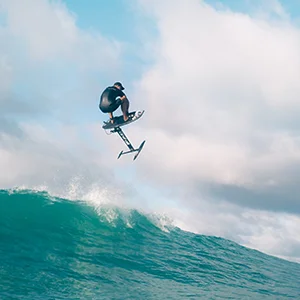
Freestyle sessions succeed when conditions support consistency, repetition, and safe landing zones.
Best conditions by freestyle type
- Freestyle pump foiling: Flat water is the priority. Flatwater pump foiling makes it easier to keep cadence and land tricks without surprise touchdowns. Light wind is preferred so your board and foil do not drift away between attempts. A slight texture to the water helps with depth perception as opposed to glassy water.
- Wake and tow freestyle: A consistent boat speed and a clean, predictable wake make tricks more repeatable. Excessive chop increases breaches, throws off timing, and makes landings harsher.
- Wing and kite freestyle: You want steady wind and a clean takeoff zone with room to drift downwind. Gusty winds make timing unreliable and increase the risk of hard landings. For big air, you also need a wide safety corridor and limited cross traffic.
Bad conditions
- Crowded water, swim zones, and narrow channels. Freestyle means more falls and less predictable lines. However, we all acknowledge the desire to show off in front of a crowd.
- Shallow water. A foil strike in shallow water can end a session and injure you.
- Confused chop for pump-and-wake freestyle. It steals speed and turns landings into surprises.
Where to Go
Freestyle foiling works in many places, but the best venues share the same traits: space, depth, repeatability, and low conflict with other water users.
Good general venues
- Inland lakes and reservoirs: Excellent for wake foiling, freestyle, and dock start pump foiling because you can find flat water and consistent boat lanes.
- Sheltered bays and marinas with deep water: Useful for pump foiling practice if there is a safe dock and low traffic.
- Wind corridors and river venues: Great for wing and kite freestyle when the wind is consistent and the launch has room.
Popular hotspots
- Hood River and the Columbia River Gorge: A major hub for wind sports with large numbers of wingfoilers and kiteboarders in season.
- Tarifa, Spain: Widely regarded as a major European kitesurfing destination with frequent wind.
- Cape Town and the Blouberg area: Known for strong wind conditions that attract big-air kite riding.
- Maui, Hawaii: A globally famous windsurfing destination, also used heavily by foilers in wind-driven disciplines.
Setup and Tuning
Freestyle tuning is about balancing multiple things: stability for landings, release for pop, responsiveness of the foil, and speed for airtime.
Mast length
- Shorter masts: Faster response, easier recovery close to the surface, and often preferred for tight, technical riding and some pumpfoil tricks.
- Longer masts: More clearance in chop and more room to land without immediate touchdowns, often preferred for open-water wind sports and choppy wakes. Typical discipline ranges span roughly 60 to 100 cm, depending on the sport and conditions.
Front wing and stabilizer choices
- Bigger front wing: Lower stall speed and more stability, good for learning tricks and for technical pump foiling, where you need lift at low speed.
- Smaller front wing: More speed and cleaner release, better for airs and rotations once your foil balance and control are strong.
- Stabilizer size and shim tuning: More tail stability helps landings and reduces pitch surprises. Less tail lift and smaller stabilizers reduce drag and can make tricks feel snappier, but they demand tighter technique.
Fuselage length and mast position
- Longer fuselage and forward stable balance: Calmer pitch, easier landings, and a bigger safety margin.
- Shorter fuselage and more reactive balance: Faster roll and yaw response, which can help spins and technical pump foiling, but it increases the chance of over-correcting.
- Mast position in the track: Moving the mast changes how easily the foil wants to rise and how hard you must manage pitch. For freestyle, you tune so you can pop without an uncontrolled climb and land without an immediate dive.
Tips and Tricks
- Learn the basics first: If you cannot ride consistently at a controlled height and recover from a touchdown, tricks will mostly be crashes.
- Start with low-amplitude versions: Practice the motion close to the water first. A small hop you can land ten times is worth more than one huge attempt you cannot repeat.
- Separate pop from rotation: In the early stages, train clean pop and clean landings before adding spins, stance switches, or foot-switch complexity.
- Film your sessions: Freestyle is timing and body position. Video makes mistakes obvious and speeds learning. Get immediate feedback with personal coaching.
- Protect your fall zone: Set a clear trick lane and keep others out. Freestyle means frequent falls and unpredictable board paths.
- For pump foil freestyle: prioritize the pump-to-glide technique. The smoother your glide phases, the more spare speed you have to spend on pump foil tricks and combinations.
Skills Ladder
Beginner
You do not start in freestyle. You earn it by building a solid foundation in your discipline first, whether that is wake foiling, wing foiling, kite foiling, or flatwater pump foiling.
Core skills you need before tricks
- Stable height control at low and mid ride height without porpoising.
- Clean touchdowns and recoveries without breaching or stalling.
- Confidently carving both directions with consistent speed.
- Controlled falls: You can bail away from the foil and board without grabbing for it.
First freestyle skills
- Micro-pops: small, low-risk unweights and re-weights that teach timing for foil pop and land.
- Direction changes that keep speed: the earliest “freestyle” is learning to change line and rhythm without losing control.
- For pump foil beginner progression, the first trick is often not a trick at all. It is a clean pump-to-glide technique you can repeat without burning out or stalling out.
Gear evolution
- More stability: larger, lower-stall wings and a calmer pitch setup give you time to learn foil balance and control.
Intermediate
This is where freestyle foiling starts to look like freestyle.
Core skills
- Consistent pop and landing mechanics: you can unweight cleanly, keep the foil engaged, then land without bouncing into ventilation.
- Rotations and direction changes: controlled 180-style direction changes and carving variations that keep the foiling flying.
- Foil stance switch and foil foot switch work: you start building the ability to ride and recover in both stances because it unlocks combinations, especially in pump foil freestyle and wing-powered freestyle.
Gear evolution
- You start downsizing toward more speed and cleaner release.
- You tune for less “auto-lift” and more controllable pitch so the foil does not surge upward when you pop.
Advanced
Advanced freestyle is about combining disruption with precision.
Core skills
- Aerial tricks and inverted attempts for tow and wind-powered freestyle, with consistent ride-away landings.
- Technical pump foiling combinations: linked sequences of pump foiling tricks, carving on pump foil, and stance switches without touching down.
- High consequence control: you can manage height, yaw, and roll while the foil is unloaded and reloaded quickly.
Gear evolution
- Smaller, faster front wings for speed and release, paired with tuning that keeps landings predictable.
- Discipline-specific quivers become normal: a “stability” setup for learning new tricks and a “performance” setup for cleaner execution.
Niche Specific
Freestyle foiling is defined by one thing: the goal is to perform hydrofoil freestyle moves, not simply to ride. That changes priorities.
- Freestyle is about load and unload control: Tricks require you to momentarily unload the foil, then re-engage it without ventilation, breach, or an unrecoverable touchdown.
- Freestyle is multi-source: The same freestyle mindset shows up in tow, wind, and human-powered foiling. The power source changes the trick selection and risk profile.
- Freestyle pump foiling is uniquely pure: In flatwater pump foiling, you have no wind and no tow. Every pump foil trick must preserve enough speed to keep flying. That forces efficiency, making foil balance and control the limiting factor.
- Competitive formats exist: Wingfoil Surf-Freestyle is an expression discipline in which riders combine wave riding with air and surface tricks.
- Kiters go for big air: Kite hydrofoil big air is also judged on aerial manoeuvres such as rotations and board flips, using the kite and the hydrofoil's efficiency to boost.
Common Problems
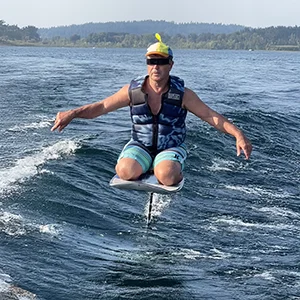
Landing too hard and touching down immediately
- What happens: you pop, come down fast, the board slaps, and the foil either stalls or breaches on recovery.
- Fix: Reduce amplitude and train landings first. Land flatter, fly lower, and keep speed margin before attempts. A clean, low pop you can ride away from is the correct stepping stone.
Ventilation and breaching during tricks
- What happens: you rise too high or land too high, air reaches the wing, and lift collapses.
- Fix: keep tricks low until you can manage height automatically. Tune for a calmer pitch if your system allows it, and focus on landing with controlled front-foot pressure rather than landing tail-heavy.
Losing speed in turns or combos
- What happens: you initiate a carve or a rotation, and the foil drops because you bled speed.
- Fix: enter at a speed faster than you think you need, then keep the foil loaded through the turn. In pump foil freestyle, protect the glide phase and avoid over-pumping that kills forward speed.
Slipping feet or inconsistent stance switch timing
- What happens: foil stance switch attempts turn into panic shuffles, and the run ends.
- Fix: isolate the skill. Train foot switches on straight, stable glides first, then add gentle carving, then add them inside combinations.
Session chaos and collisions
- What happens: freestyle lines repeat, boards fly unpredictably after falls, and other water users get too close.
- Fix: define a trick lane and a fall zone. Freestyle means more crashes, so you need more space and stricter etiquette than cruising sessions.
History
Sit-down tow hydrofoils built an early trick culture that started the first chapter of modern freestyle foiling. Mike Murphy is the co-inventor of the seated hydrofoil and a prominent early rider and promoter in the sport. Mike led the way, riding away from an invert on a hydrofoil, citing a wake back roll in 1990.
Riders compiled trick lists covering the first years of sit-down foiling from 1989 through 1996, and that record includes named firsts such as Gary Harris being the first to land a front flip in that early period.
As hydrofoils expanded into other sports, freestyle expression followed the power source:
- Kite foiling evolved into judged aerial formats such as hydrofoil big air, where competitions explicitly score aerial manoeuvres, including rotations and board flips.
- Wing foiling formalized a Surf-Freestyle discipline in organized tours, defined as an expression format combining wave or swell riding with air and surface tricks.
- Pump foiling also developed organized competition pathways, with the Surf Foil Tour reporting that the first Pump Foil World Champions were crowned at Lake Traunsee in Austria in September 2025.
FAQs
Is freestyle foiling one sport or many?
It is one mindset expressed across multiple disciplines. The equipment and power source change, but the core is the same: pop, control, rotation, and ride-away landings.
What should I master before I try foil board tricks?
You need reliable height control, safe landing habits, controlled touchdowns, and clean carving in both directions. Without that, tricks become uncontrolled crashes.
Does freestyle pump foiling require different skills than tow or wind freestyle?
Yes. Dock start pump foiling and flatwater pump foiling force you to protect speed and lift with no outside power. That makes efficiency and cadence the gatekeepers for pump foil tricks.
Are there real competitions for freestyle foiling?
Yes. Wingfoil Surf-Freestyle is run as an expression discipline in organized tours.
Kite hydrofoil big air is also an established judged discipline in the GKA Kite World Tour.
What is the most common reason people stall out when learning freestyle?
They go too big too early. Keep tricks low, prioritize repeatable foil pop and land mechanics, and build combinations only after you can land cleanly without losing speed.
Which Foiling Freaks are into Freestyle Foiling
-
 Jinx Loghopper
If the swamp has a path, I will find it. Checkout Jinx Loghopper's merch page.
Jinx Loghopper
If the swamp has a path, I will find it. Checkout Jinx Loghopper's merch page.
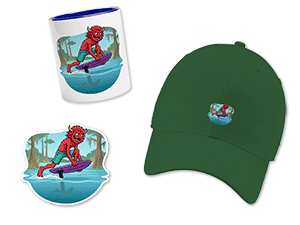
5 Advanced Hydrofoil Pumping Tricks
Will Culberson demonstrates a set of hydrofoil pump freestyle tricks for riders who have their pumping dialed in and want to level up. He emphasizes that consistent practice is the key, noting that some moves click quickly while others take more time.
If you know this discipline inside and out and want to help review and or edit the info on this page, drop us a line. We will credit you as a reviewer or editor and set you up with a proper bio page with links back to your site.